

art
Art and Beauty
Stephen Howard demonstrates the necessity and yet beauty of art in the imago dei, in our longings, and in our morality.
Equipping articles aim to equip ministry leaders to advance the way of Christ in all of culture by 1) clarifying a particular cultural issue, 2) identifying the challenge it presents to Christians and the Church, and 3) offering a way forward for Christians and ministry leaders. These are typically short-form and not comprehensive in nature.
This article is a part of our theme, The Way of Christ in Life.
“Christians only care about abortion,” my co-worker says. “Once you’re born, you’re on your own.”
I can understand why someone might think that. I have been in churches where the preacher drags abortion into nearly every sermon, even passages that have nothing to do with it. It lands like a wrong note in an otherwise beautiful song—jarring, out of place, and distracting from what the text is saying.
But the problem goes beyond the pulpit. When Christians talk about social issues, the conversation often focuses on just two points in human life: the womb and the tomb. Both are important, and Scripture is clear about the sacredness of life at its beginning and its end. Yet if our concern stops there, it narrows the church’s moral vision. Too often we overlook the long, challenging stretch in between; the years of dependence, work, suffering, and aging.
At the heart of the Christian faith is a Savior who embraced weakness, vulnerability, and dependence. Christ did not redeem humanity by avoiding fragility; he entered it fully.
It is worth asking why Christian advocacy often loses momentum once the unborn are born. Those children grow up. They become the poor, the orphaned, the widowed, the mentally ill, and the addicted. The deeper question for the church is not only when life begins or ends, but how life is valued from first breath to final breath. A Christian vision that neglects the middle of life will ultimately lose credibility, no matter how forcefully it defends life at the margins.
At the center of this issue stands the doctrine of human dignity. Scripture teaches that every human being is created in the image of God (Genesis 1:26–27). That dignity is not earned. It does not depend on intelligence, productivity, independence, or usefulness. It is given by God and cannot be taken away. A Christian ethic that truly takes Scripture seriously treats human value as something that rests entirely on God’s declaration.
I believe much of the problem with Christian messaging comes from how we view dependence. Modern Western culture treats autonomy as the highest good and sees dependence as a weakness to overcome. Self-sufficiency, hard work, and personal contribution should be celebrated, but we must be careful not to send the unintended message that the value of life is found in achieving independence.
This mindset shows up in the way we talk about the vulnerable. The poor and homeless are often dismissed as lazy or lacking ambition. The addicted are seen as lacking self-control. The elderly are discussed in terms of cost, efficiency, and logistics. In each case, the same assumption is at work: human worth is tied to what a person contributes rather than who they are.
The Bible offers a far more consistent vision of human life. God’s people are called to defend the weak, protect the vulnerable, and honor those whose voices carry little weight (Psalm 82:3-4; Leviticus 19:32). From infancy to old age, dependence is not an exception. It is a defining feature of what it means to be human. We all begin life relying on others, and many of us will end life the same way. Needing care does not diminish our dignity. At the heart of the Christian faith is a Savior who embraced weakness, vulnerability, and dependence. Christ did not redeem humanity by avoiding fragility; he entered it fully.
Ultimately, affirming human dignity from the womb to the tomb requires more than careful statements or public positions. It demands faithful, lived action (Isaiah 1:17; Matthew 25:35–36, 40; Luke 3:11; Acts 20:35; Galatians 6:2; James 1:27; 1 John 3:17–18). A consistent pro-life vision includes supporting families in crisis with meals, childcare, mentoring, and financial help. It includes investing in children and teens through tutoring, mentorship, and involvement in local schools so they continue to know their lives matter long after birth. It includes patiently walking with those facing addiction, mental illness, or unemployment, offering steady presence instead of suspicion. It honors the elderly by visiting them, supporting those who care for them, and valuing their wisdom. It practices hospitality toward the lonely, the disabled, refugees, and the chronically ill. And it builds a church culture where asking for help is normal and dependence is treated as part of being human rather than failure. These simple and faithful acts demonstrate a pro-life ethic that cherishes life at every stage, not only at its beginning and its end.
Sign up for the newsletter now!
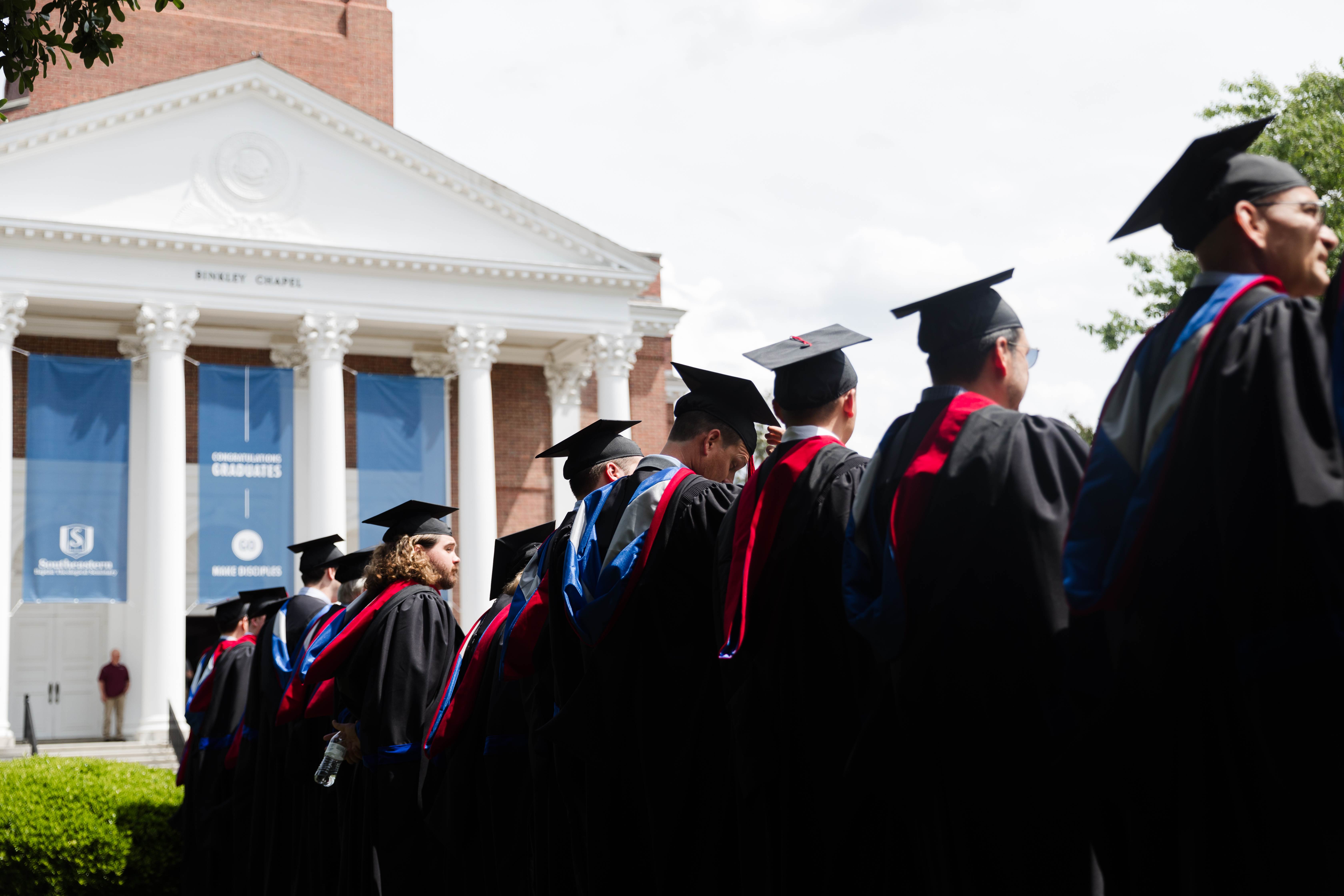
The Master of Arts Ethics, Theology, and Culture is a seminary program providing specialized academic training that prepares men and women to impact the culture for Christ through prophetic moral witness, training in cultural engagement, and service in a variety of settings.
Photo retrieved from Unsplash.

Art and Beauty
Stephen Howard demonstrates the necessity and yet beauty of art in the imago dei, in our longings, and in our morality.
Humming Faith: The Beauty of Children in Worship
Stephen Howard reflects on having children in worship services and how children absorb the faith in marvelous ways.
Mental Illness in the Church: Four Common Mistakes to Avoid
How should the church approach mental illness? Stephen Howard gives four examples of how NOT to do this, and answers to those examples.
Death’s Inevitability and Christ’s Victory: Reflections on Mortality and Hope
Stephen Howard reflects on his love for animals and a very distinct truth in nature that points back to our need for a savior
When Swords Become Plowshares: Sowing Seeds of Peace
Stephen Howard considers redemptive avenues concerning repurposed tools of war, and discusses ultimate, lasting peace.
How to Die in Christ
Stephen Howard explores how to engage death and suffering within a culture that traditionally avoids pain.
Why Lies He in Such Mean Estate? “What Child Is This” and the Humility of Christ’s Birth
Political Chaos and Prophecy: A Call for Discernment among Believers
It’s natural to want to understand current events in the context of the end times. Instead of engaging in speculation, what can we do?
After Hurricane Helene: Pray and Act
Prayer is important. But so is giving and going.
When God Ran
Like the running father, Jesus bore our shame and suffered to draw us close, sanctifying us through His sacrifice.
2 Pitfalls I’m Avoiding in Teaching My Son the Bible
To convey the richness of Scripture to children, we must go beyond pithy morals and ask thought-provoking questions.
“I Can Do All Things”: Don’t Miss the Point
Paul understood that any hardship, whether prison or death, is bearable through Christ.
Who Hears the Fish When They Cry?
God hears the fish when they cry. So should we.
Serving Jesus in Obscurity
Obscure disciples have nothing to lose and everything to gain by praying for their less-obscure counterparts.
I’m a Lawyer. Here’s What the Bar Taught Me About Christ’s Advocacy for Me.
Every piece of evidence, every exhibit, recalls Calvary. The scourging whip, the crown of thorns, the soldier’s spear, and the rugged cross are offered in my defense.
Sign up for the Christ and Culture newsletter now!

No comments have been added.